

Why Some Hotels Punch Above Their Class
Hotel ratings measure what a property has. They do not always measure how well the stay holds together.
A guest can leave a 3-star hotel more satisfied than they were after staying at a higher-rated property. That does not mean hotel ratings are useless. Star ratings, diamond ratings, and hotel classifications help travelers compare basic expectations around room quality, amenities, service level, facilities, cleanliness, and overall property category.
But ratings do not always capture the part of hospitality guests remember most: whether the experience actually works.
A hotel can have the right amenities on paper and still feel forgettable. Another property may be older, simpler, or technically lower in class, but leave guests feeling more relaxed, welcomed, and satisfied. The difference is rarely one single feature. It is how the whole stay holds together.
That is where some hotels punch above their class.
They may not be the newest, largest, or most luxurious property in the market. They may not win on every formal rating criterion. But the staff, amenities, restaurant, landscaping, arrival flow, service rhythm, and small guest touchpoints all support the same promise. The property feels easy to understand, easy to enjoy, and better than expected.
That is not luck.
It is operational cohesion.
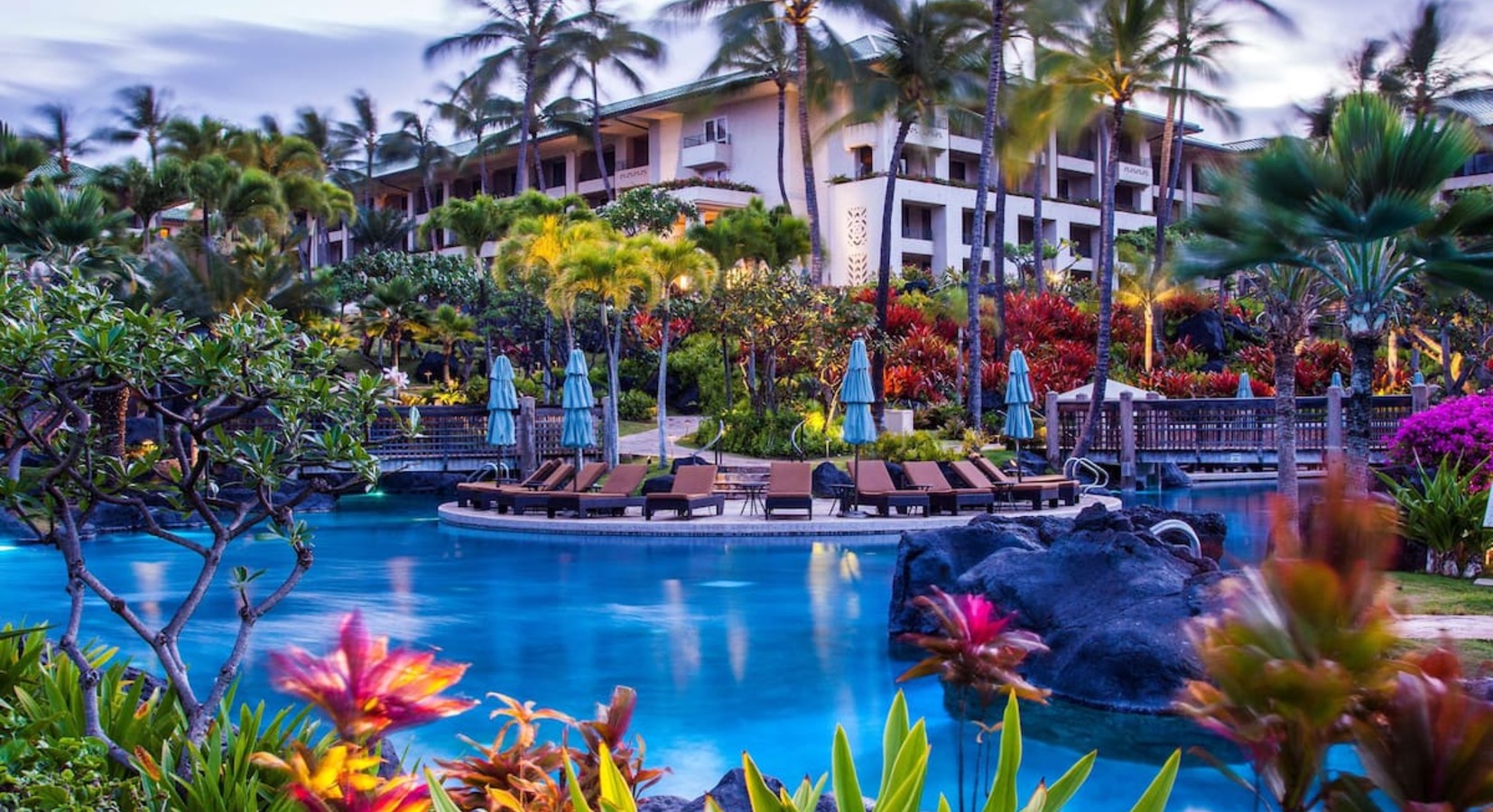
A Field Note From Kauai
This became clear while studying several resort properties on Kauai’s east side. These properties were not all competing in the same way. One had a stronger amenity ecosystem and a more complete guest experience. Another had more memorable landscaping and a classic coastal feel. Another felt simpler, calmer, and more familiar — the kind of property that can work when expectations are clear and the guest understands what they are buying.
What stood out was not that one property was “better” in every category. It was that the strongest experiences came from alignment.
When the staff, amenities, restaurant, outdoor spaces, arrival flow, and small guest touchpoints supported the same basic promise, the property felt stronger than its formal class. It did not need to pretend to be luxury. It needed to be coherent.
That is the difference between a hotel that simply has features and a hotel that feels like a complete experience.
For hotel owners, that distinction matters because guests rarely judge a property the same way an owner reviews a property. Owners may see departments, cost centers, amenities, and assets. Guests feel the stay as one continuous sequence. If the pieces connect, the property feels better. If they do not, the guest feels the gaps even if they cannot explain them.
What Hotel Ratings Miss

Hotel ratings are helpful, but they are incomplete. Most rating systems are built around measurable features: room quality, service level, public areas, amenities, dining, cleanliness, and facilities. Those factors matter, especially when travelers are comparing properties they have never visited.
But ratings do not always measure charm, emotional comfort, staff warmth, ease of use, local character, or whether the property feels coherent from arrival to departure.
That is why a 3-star hotel can sometimes feel better than a 4-star hotel. A higher-rated property may offer more amenities, but that does not automatically mean the stay feels better. A lower-rated or midscale property may offer fewer features, but if the experience is clear, warm, and connected, the guest may leave more satisfied.
This is the gap between classification and perception.
A pool is a feature. A restaurant is a feature. Bikes are a feature. Landscaping is a feature. A lobby is a feature. But when those elements support the same guest promise, they become something more valuable: a hospitality ecosystem.
That is the difference between having features and creating value.
Cohesion Beats Category
Hotel owners often think in categories: economy, select-service, midscale, boutique, lifestyle, resort, luxury. Those categories matter for underwriting, competitive sets, pricing strategy, and guest expectations. But they do not fully explain why certain properties outperform their

class.
A midscale hotel with a coherent guest experience can feel stronger than a more expensive hotel with disconnected parts. An older resort with warm staff, mature landscaping, simple amenities, clear flow, and a strong sense of place can create more emotional value than a newer property that looks polished but feels generic.
Guests do not experience a hotel in departments. They do not separate front desk from food and beverage, landscaping from maintenance, amenities from marketing, or staff culture from asset quality. They experience the stay as one continuous sequence.
They arrive. They orient themselves. They interact with staff. They walk the grounds. They decide whether the restaurant feels inviting. They notice whether the pool feels comfortable. They sense whether the amenities are actually usable. They feel whether the property is cared for.
Every part of that sequence either strengthens the hotel’s value or weakens it.
That is why cohesion beats category.
A hotel does not punch above its class by pretending to be luxury. It does it by making the entire experience feel intentional.
The Problem Is Not Always the Product
When a hotel underperforms, the instinct is often to assume the asset needs more capital. Renovate the rooms. Refresh the lobby. Add amenities. Redesign the brand. Increase marketing spend.
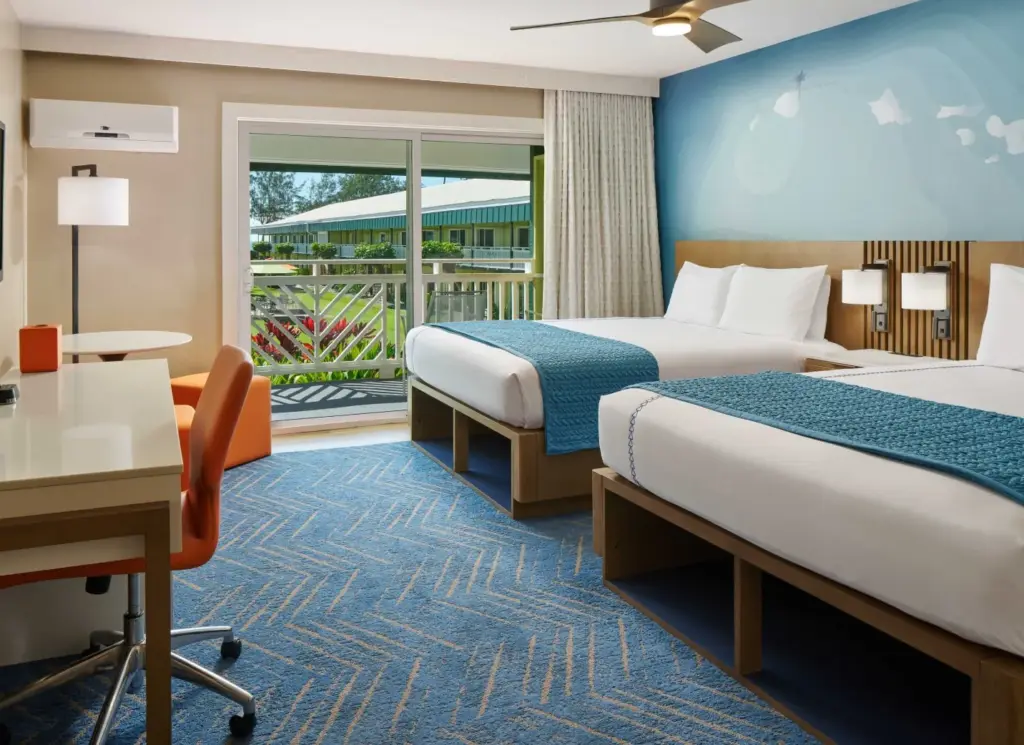
Sometimes that is exactly right. Deferred maintenance, tired rooms, poor lighting, weak bedding, dated bathrooms, and neglected common areas can absolutely limit performance.
But many hotels do not suffer first from a lack of features. They suffer from a lack of alignment.
They have amenities guests do not use, outdoor spaces that do not create energy, restaurants that feel detached from the property, staff working hard without a clear service promise, websites that sell one experience while the property delivers another, and arrival sequences that make the stay feel confusing before it has even begun.
The issue is not always that the hotel lacks potential. The issue is that the potential has not been connected.
This is especially common in older independent hotels, boutique properties, condo-hotels, and lifestyle resorts. These assets often have strong bones: location, mature landscaping, charm, repeat guests, staff familiarity, history, and emotional appeal. But over time, the experience may evolve in layers rather than by design.
A renovation here. A new amenity there. A restaurant partnership added later. A lobby refresh that does not match the outdoor experience. A website that oversells one feature and undersells another.
Eventually, the property becomes a collection of parts instead of a clear hospitality product.
That is where the opportunity sits.
Guests Feel the Gaps Before Owners See Them
Owners often see a property in parts: rooms, amenities, food and beverage, landscaping, staffing, marketing, maintenance, and revenue management. Guests do not separate the experience that way. They feel the stay as one continuous sequence, and when the pieces do not connect, they usually notice the friction before ownership sees the pattern.
A guest may never say, “This property lacks operational cohesion.” Instead, the feedback comes through softer language. The stay was fine, but something felt off. The property looked better online. The staff was friendly, but the experience felt inconsistent. The amenities existed, but they were not easy to use or did not feel connected to the rest of the stay.
Those comments are not just minor complaints. They are often symptoms of a larger issue: the property has not made the guest experience easy to understand.
Strong hotels do the opposite. They make guests feel oriented from arrival. They make the property feel intentional. They make the stay feel larger than the room.
That does not always require a major capital project. Sometimes the solution is better sequencing, clearer communication, more intentional programming, stronger staff training, improved signage, better use of outdoor space, tighter integration between food and beverage and rooms, or a more honest brand promise.
The point is not that every detail must be expensive. The point is that every detail should belong.
A water station supports the experience when it reinforces a beach lifestyle property. Bikes create value when they connect guests to the local area. Landscaping matters when it softens aging architecture, frames movement, and turns walkways into part of the stay. A restaurant becomes more valuable when it feels like part of the hotel’s identity, not just a separate business nearby.
When those details connect, they raise perceived value. When they do not, they become disconnected features that guests may see but never emotionally absorb.
The Best Properties Know What They Are
One of the clearest differences between an average property and a memorable one is whether the hotel understands its own identity. Not the identity written in a brand deck, and not the category assigned by the market, but the actual experience the guest receives from arrival through departure.
If a hotel is meant to feel relaxed and local, the arrival should feel relaxed and local. If it is positioned around wellness, the rooms, spa, food, lighting, retail, staff language, and programming should support that promise. If the asset is an older coastal property built around charm, the operation should protect and elevate that charm rather than apologize for it or fight against it.
Many hotels underperform because they try to borrow value from a category they do not truly belong to. They try to look more upscale instead of becoming more coherent. They chase amenities instead of strengthening identity. They compare themselves to newer or better-funded competitors instead of becoming the strongest version of the property they already control.
That is a costly mistake.
A hotel does not need to be everything. It needs to be clear.
Clarity gives guests confidence, and confidence changes how they interpret the entire stay. When a property knows what it is, guests are less likely to judge it only by what it lacks. They are more likely to understand what it offers, why it works, and why they might return.
Where the Upside Hides
The most interesting hospitality opportunities are often found in properties that already have emotional strength but lack operational alignment.
These are the hotels with good bones: location, atmosphere, mature landscaping, staff warmth, history, repeat guests, lifestyle appeal, or a real sense of place. Guests already respond to something in the asset, but the business has not fully connected that strength to revenue, reviews, direct bookings, and repeat demand.
For an older beachfront property, the opportunity may not be to make it look like a luxury resort. It may be to improve arrival flow, activate underused outdoor areas, clarify the brand promise, integrate food and beverage more naturally, and turn existing amenities into a more intentional guest journey.
For a boutique wellness property, the opportunity may be to connect spa, rooms, packages, retail, scent, programming, and local experiences into one stronger revenue ecosystem.
For a condo-hotel or mixed-ownership resort, the opportunity may be to reduce fragmentation, clarify guest expectations, and create a more consistent experience across different booking channels and unit types.
The goal is not to force every hotel into the luxury category. The goal is to make each property more clearly itself, and more profitable because of it.
That distinction matters. Some owners spend heavily trying to make their hotel resemble a competitor with more capital, newer rooms, or a stronger brand flag. The smarter move is often to identify what guests already love, remove the friction around it, and connect the pieces so the property delivers a clearer and more valuable experience.
The Owner’s Test
Before assuming a hotel needs more amenities, more marketing, or more renovation, owners should ask whether the existing experience is actually working as a complete product.
Does the property have a clear identity? Does the arrival experience support that identity? Do the staff understand the promise being made to guests? Are the amenities useful, visible, and connected to the stay? Does food and beverage feel integrated or separate? Does the website accurately sell the experience guests actually receive?
These questions matter because hotels do not create value only through physical assets. They create value through the way those assets work together.
A property can have good rooms and still feel forgettable. It can have expensive amenities and still feel underwhelming. It can have an incredible location and still fail to convert that location into loyalty, reviews, and rate.
But when the guest experience is coherent, the asset starts working harder. The stay feels easier. The property feels more valuable. The guest remembers more. The review improves. The rate becomes easier to defend.
That is how operational cohesion becomes financial performance.
The Bottom Line
Hotel ratings help explain what a property has. They do not always explain how the property feels.
That gap is where many independent, boutique, midscale, and older lifestyle hotels either lose value or create unexpected advantage.
Some hotels punch above their class because the experience is more coherent than the category suggests. The staff, amenities, food and beverage, landscaping, arrival flow, service rhythm, and brand promise all point in the same direction.
Luxury is one way to create hospitality value. Cohesion is another.
For many hotel owners, cohesion may be the more realistic and profitable path. It does not require pretending to be a different asset. It requires understanding the asset clearly, aligning the operation around its strongest qualities, and removing the friction that keeps guests from fully experiencing its value.
The upside may already be inside the property.
It just has not been connected yet.
FAQ
What makes a hotel punch above its class?
A hotel punches above its class when the guest experience feels stronger than the property’s formal rating, price point, or physical condition would suggest. This usually comes from operational cohesion: staff, amenities, food and beverage, landscaping, arrival flow, service rhythm, and brand promise all supporting the same experience.
Can a 3-star hotel feel better than a 4-star hotel?
Yes. A 3-star hotel can feel better than a 4-star hotel when it delivers a clearer, warmer, and more coherent guest experience. A higher-rated hotel may offer more amenities, but that does not always mean the stay feels better.
Why do hotel star ratings vary so much?
What should hotel owners evaluate beyond ratings?
Hotel star ratings vary because there is no single universal global standard. Different countries, organizations, travel platforms, and inspection systems use different criteria. Many rating systems focus heavily on facilities, amenities, room quality, and service levels rather than the full emotional guest experience.
Hotel owners should evaluate arrival flow, staff culture, guest expectations, amenity usage, food and beverage integration, landscaping, service consistency, review patterns, direct-booking messaging, and whether the property delivers the same experience it promises online.
Similar Articles
Desert Hot Springs (DHS) should stabilize and expand in 2026.
Upper-priced: Occupancy edges up and ADR rises ~2%+, implying low-single-digit RevPAR growth.
The Complete Guide to Hotel Classifications & Performance KPIs
Hotel classification is more than a label—it defines guest expectations, operational strategy, and financial forecasting. Whether your property is luxury, midscale, or economy, classification determines:
Why Staff Tenure Should Be Part of Hotel Due Diligence
A property with experienced, engaged employees has operating memory. It has continuity. It has people who know the difference between what looks good on paper and what actually works with guests.
Office Hours
Daily - 9:30 am to 6:30 pm
Sunday - 08:00 am to 11:30 am
Holidays - 08:00 am to 3:00 pm

Divi attorney
Copyright © 2026 Divi. All Rights Reserved.